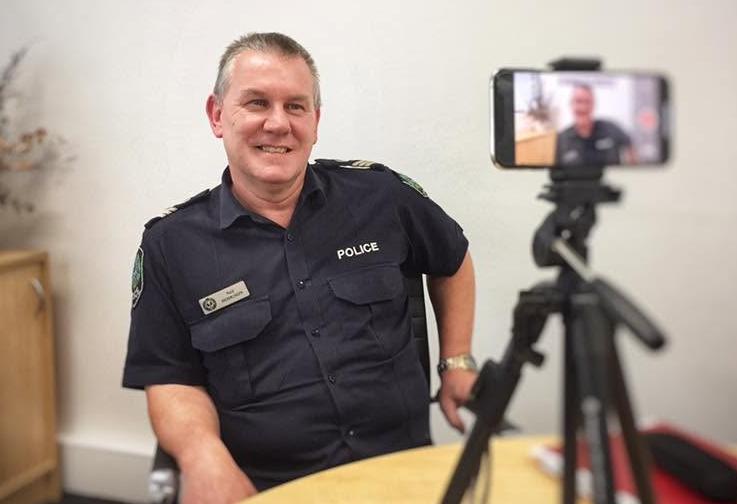
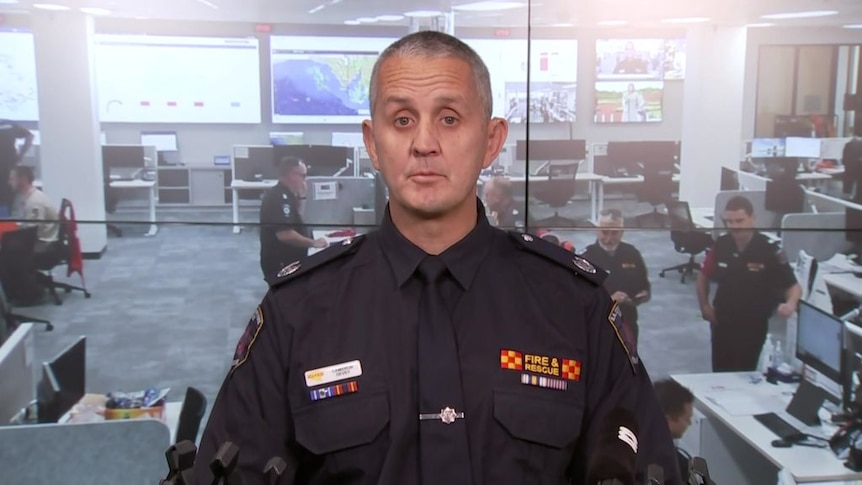
Grant Steven’s Silence Over Missing Officers Triggers Demands to Axe SA Secrecy Laws
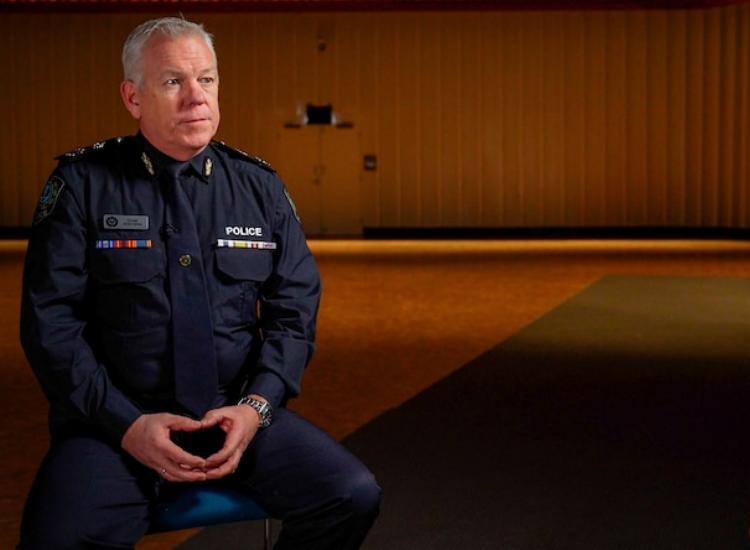
Freemason and SA police commissioner, Grant Stevens, refuses to tell taxpayers why they are being forced to fund the lengthy absences of two high ranking cops.
Civil liberties groups and free speech advocates are calling for an overhaul of South Australia’s draconian secrecy laws after the state’s top cop’s refusal to disclose why two senior officers are missing in action.
One man has been on paid leave for the past year while his colleague went missing in recent weeks and continues to earn a salary.
When asked about the absences, not believed to be linked, the office of the Police Commissioner threatened to invoke a state law that carries stiff penalties for media companies that publish reports on such matters.
Stiff penalties for media outlets who dare to publish details of two cops enjoying lengthy taxpayer-funded holidays?
SAPOL clearly has something to hide.
In a new example of SA’s “secret state”, The Advertiser is banned from reporting why the pair, who pull large salaries, are not currently at work.
Commissioner Grant Stevens, who has the power to allow such reporting, has refused to give permission to allow the newspaper to publicly detail the pair’s leave circumstances.
His spokesman “refuted” claims about any “dysfunction” within senior police ranks or “secrecy” and lack of force “transparency”.
Civil liberties groups and free speech advocates say the laws, unique to SA, need to be changed to remove the provision, which allows the Commissioner to determine what the public can – and cannot – know about officers placed on leave.
They say the differing positions taken by the Commissioner on the missing police officers highlights the anti-democratic nature of the secrecy laws.
A spokeswoman for Australia’s Right to Know coalition led calls for reform.
“Australia’s Right to Know coalition of media organisations has long taken a stance against unnecessary secrecy,” she said.
“ARTK supports any move that better informs the public about what’s going on in South Australia.”
Adelaide University associate professor of Law, Dr Joe McIntyre, said legislation needed to “strike a balance” with those holding powers and stopping “vexatious or frivolous” complaints.
“The balance of the (laws) is they give an extraordinary weight to the protection and privacy of police officers,” he said.
“This may seem like a benefit with integrity and stopping reputational damage.
“But when you are dependent on the conduct and integrity of our police, you need to make sure there is appropriate accountability and transparency.”

The Advertiser front page on April 22nd 2026.
Since 2016, it has been illegal to report, or publicly disclose, any details of certain police matters without approval from either the Commissioner, the ICAC or Office for Public Integrity or a court.
The laws have come under fierce scrutiny over the past decade amid mounting concerns at its blanket secrecy.
In recent years, The Advertiser has highlighted several “troubling” cases of police secrecy. The transparency-hating Stevens, and the police union, have predictably claimed the state laws are balanced and appropriate.
But former Police Ombudsman, Michael Grant, who held the position for almost three years between 2015 and late 2017, said the legislation was “long overdue for reform”.
He said this included what can be disclosed publicly and for tribunal hearings to open as no other profession is afforded such confidentiality.
“The sections that relate to the publishing of information should be looked at and reformed in the public interest – there should be a change,” he said.
“The (laws) seem to have adopted the same obsession with secrecy as the ICAC Act, where if someone has been made a report of, it can’t be mentioned – nobody can say the word ICAC.
“Even though we have a certain amount of trust in our police force, there should be an oversight, or the public should ‘in on’ certain parts of that information. The very fact of a complaint having been made, is one of them.”
State Liberal Leader Ashton Hurn said on Tuesday night: “South Australians have a right to know what is happening at the highest level of their police force.
“Privacy provisions in the (laws) should always be weighed against the need for transparency and accountability.”
Her spokesman said the opposition has been “open to reviewing the operation of the (law) to ensure it strikes the right balance between individual privacy and institutional accountability”.
“This position hasn’t changed,” he said.
A police spokesman warned The Advertiser it could be prosecuted under the state’s secrecy laws if it published details without official sanction.
“If you intend to publish any information relating to either of these matters, given you have no exemption to do so ……. you are strongly urged to seek legal advice,” he threatened.
In a second statement issued on Monday in response to further questions to Stevens about another senior officer, his spokesman said the weekend decision would not be overturned.
“Your claims regarding ‘dysfunction’, ‘secrecy and transparency’ are refuted,” he said.
A state parliamentary committee recommended the secrecy law in question be overhauled in 2023.
Nothing has been done since.
The state government is yet to respond to the recommendations. A response was due back by mid-2024.